Key takeaways.
Most smart glasses aren’t truly waterproof; many are only water-resistant for sweat and light rain.
The IP rating is the fastest way to gauge protection, but lab tests don’t cover every real-life scenario.
Sweat can be tougher than rain because salt residue can build up around seams, buttons, vents, and charging points.
Even with a strong rating (example: IP65), smart glasses typically aren’t meant for showering or swimming.
A few good habits (drying, gentle cleaning, and avoiding charging while wet) can reduce water-damage risk.
Why “waterproof smart glasses” is a tricky question.
If you wear smart glasses on commutes, walks, or workouts, getting caught in the rain or sweating is normal. The tricky part is that “waterproof” has a specific meaning in testing language, while product pages may use it loosely.
This guide breaks down what ratings actually cover and what to do in the situations that matter: sweat, rain, splashes, cleaning, and accidents. For a quick refresher on types and how they differ by design, see what smart glasses are.
How we evaluated this.
We translated IEC IP-code definitions into everyday scenarios (sweat, rain, cleaning) and paired that with conservative care practices commonly recommended for eyewear and consumer electronics.
Waterproof vs. water-resistant (what most brands mean).
Water-resistant usually means the device can handle some water exposure—like sweat, splashes, or light rain—depending on its rating.
Waterproof typically implies the device can survive submersion (being underwater for a period of time) without failing.
For most smart glasses, submersion is where things go wrong fast: water pressure increases, exposure lasts longer, and water finds its way into seams and openings.
Also important to remember: water resistance isn’t permanent. It can degrade with:
Drops or frame twists that create tiny gaps
Aging gaskets/adhesives
Repairs or lens swaps done without proper sealing steps
Residue buildup (salt from sweat, sunscreen, soap)
IP ratings for smart glasses (IPX4, IP54, IP65) in simple terms.
How to read an IP code quickly.
Most meaningful “waterproof” claims should point to an IP rating (Ingress Protection), defined by the IP Code standard IEC 60529. (Official publication: https://webstore.iec.ch/publication/2452)
First digit (0–6): dust protection
Second digit (0–9): water protection
X: not tested for that digit (example: IPX4 means water-tested, dust not tested)
s Even G2 waterproof?
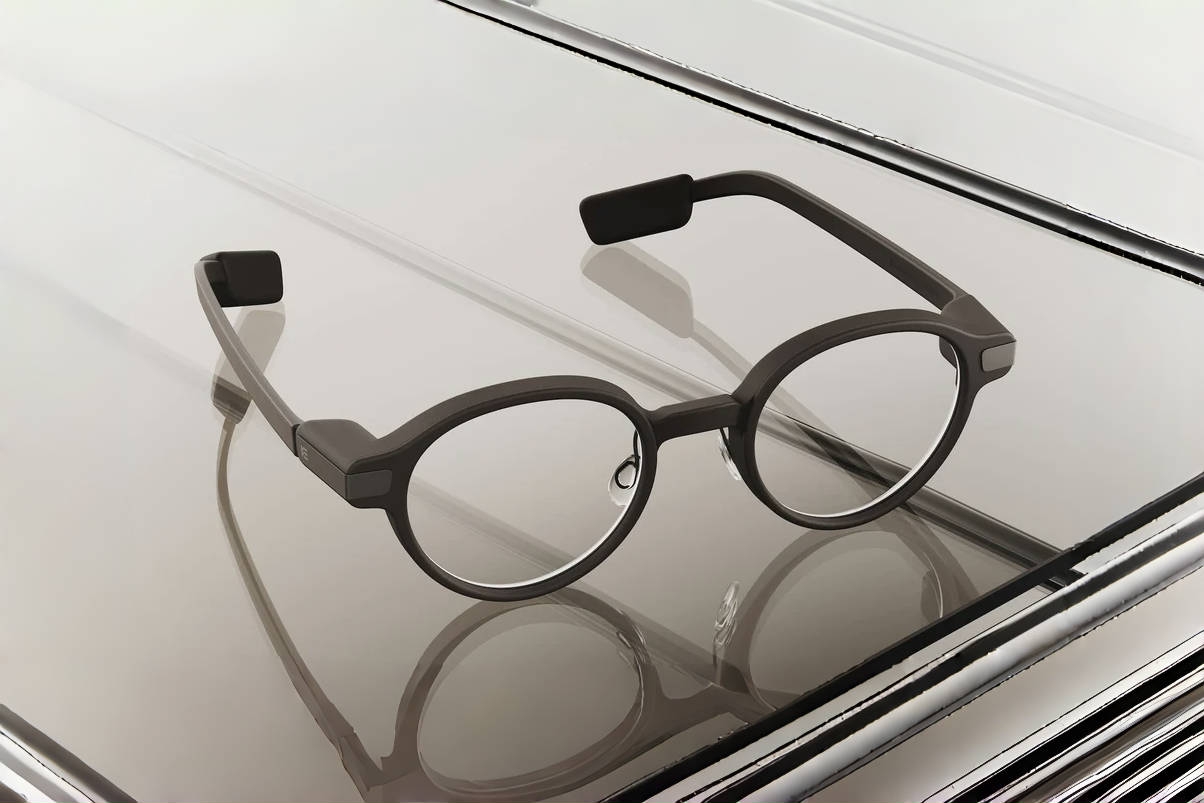
Even G2 is rated IP65, meaning it’s dust-tight and water-resistant. That’s a practical level for sweaty commutes and getting caught in the rain, but it still doesn’t mean you should shower or swim with it.
s Even G2 waterproof?
Even G2 is rated IP65, meaning it’s dust-tight and water-resistant. That’s a practical level for sweaty commutes and getting caught in the rain, but it still doesn’t mean you should shower or swim with it.