Key takeaways.
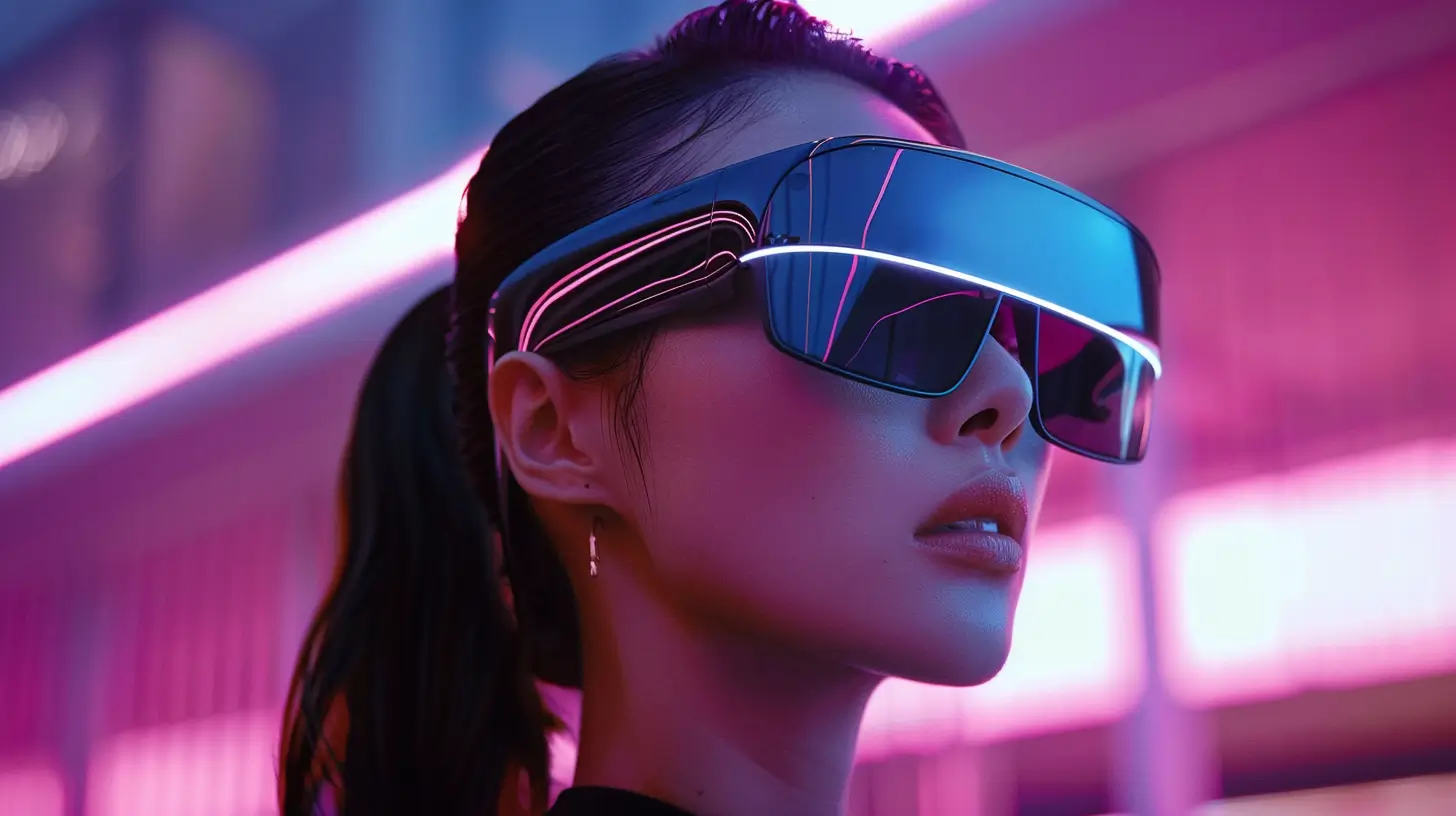
AI glasses are evolving from novelties into practical tools designed to increase focus and productivity in specific situations.
The primary work feature is the integrated teleprompter, which allows professionals to deliver speeches and presentations while maintaining natural eye contact.
For users on the move, AI glasses offer heads-up navigation, reducing the need to look down at a phone screen.
A privacy-first, no-camera design is a key feature for professional environments where recording devices are prohibited.
The best AI glasses for a user depend on their primary goal, whether it’s productivity, media viewing, or social sharing.
AI glassesaren’t about adding more digital noise to your life. They’re about providing the right information at the right time, freeing you from the distraction of constantly checking a phone. Whether you’re delivering a big presentation, navigating city streets on a bike, or just trying to stay on top of your day, the right pair of AI glasses can serve as a focused performance tool.
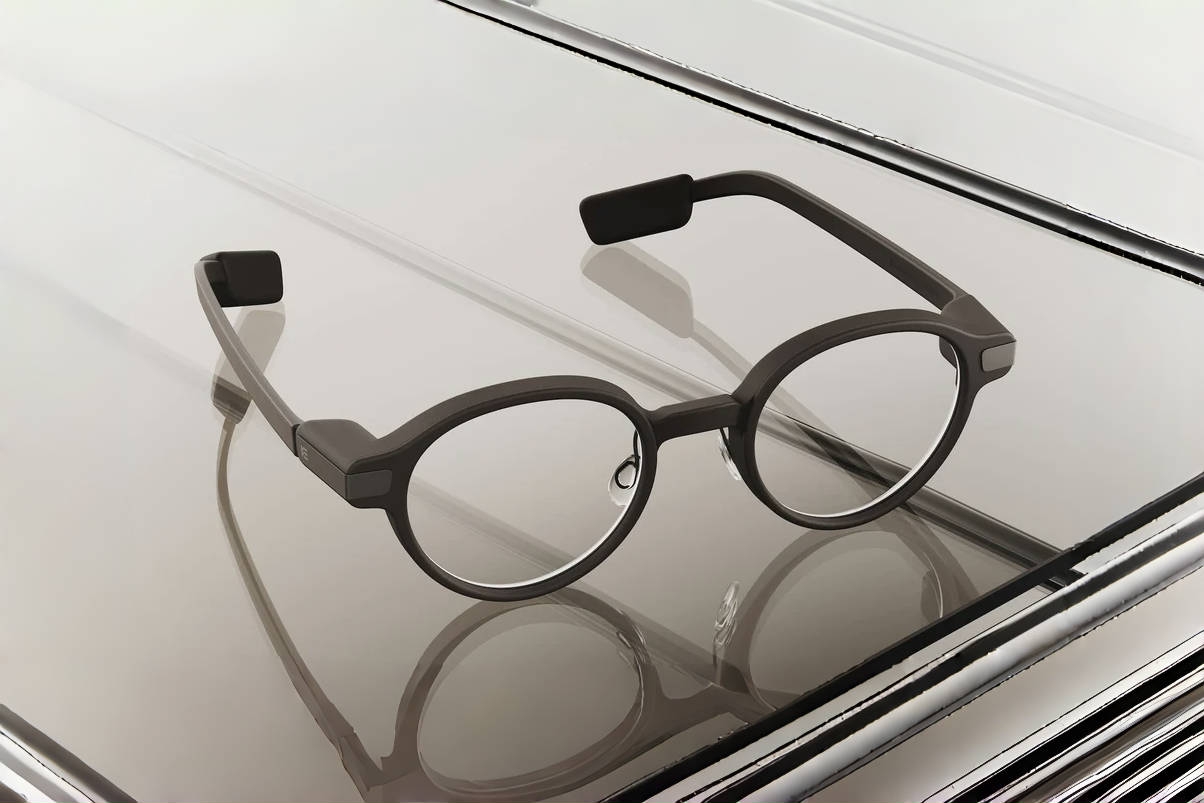
This guide explores the practical applications of AI glasses at work and on the go, showing how features like a heads-up display and voice-activated notes can support your goals. We’ll also examine how a deliberate design, like that of Even G2, prioritizes functionality and privacy.
Enhancing performance in the workplace.
In a professional setting, focus and presence are critical. AI glasses offer tools that help you maintain both, whether you’re in the boardroom or on a video call.
AI teleprompter: Mastering presentations and video calls.
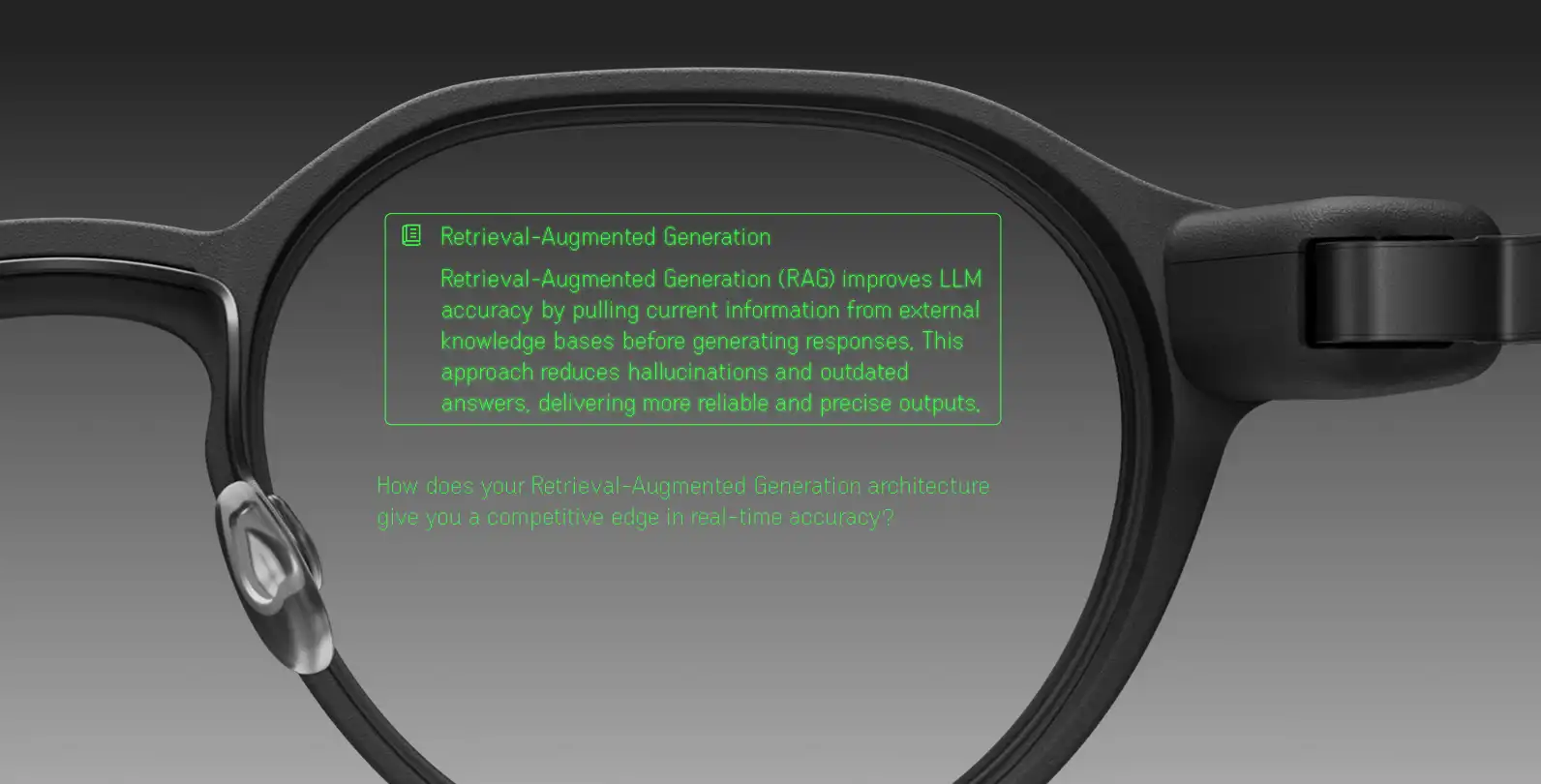
Maintaining authentic eye contact with an audience builds trust and credibility. Yet, speakers often break that connection to glance down at notes. According to research on gaze and eye contact, direct eye contact is a powerful component of communication that influences audience perception. AI glasses with teleprompter solve this problem by projecting your script directly in your line of sight.
With Even G2’s Teleprompt feature, your notes appear as a floating display only you can see. This allows you to do the following:
Deliver complex information without memorization.
Move freely and engage your audience naturally.
Maintain unwavering eye contact during sales pitches, conference talks, and online presentations.
The result is a more confident and compelling delivery.
Capturing key moments: quick voice memos and transcription.
Important ideas can surface at inconvenient times, like during a discussion or while commuting to work. The QuickNote feature allows you to capture a thought instantly by recording up to 30 seconds of audio. This is ideal for saving a key takeaway or a potential client’s name without breaking the flow of a conversation.
Life in motion: navigation and reducing distractions.
Constantly glancing down at a phone for directions or notifications breaks your focus and can be unsafe during activities like cycling. The human brain is not built for effective multitasking; the American Psychological Association notes that switching between tasks carries a “cognitive cost”. AI glasses are designed to minimize this cost by integrating essential data into your line of view.
Safe, uninterrupted navigation.
Whether you’re using AI cycling glasses to navigate a new route or running through an unfamiliar part of the city, safety is paramount. The Navigate feature in Even G2 provides turn-by-turn directions in a simple, non-obtrusive heads-up display. This allows you to keep your eyes on the road and your surroundings, providing a more focused, more aware experience than looking at a phone or watch.
Customizable dashboard for life on the move.
For the active professional, a customizable dashboard provides quick access to information. You can check the weather before a run, see your next calendar appointment while walking to the office, or get other important notifications without pulling out your phone. This reduces digital distractions and keeps you present in your environment.
Why privacy-first design matters.
The conversation around smart glasses often involves privacy. For professionals, this isn’t a minor detail. Many corporate environments, client sites, and secure facilities have strict rules against recording devices.
Camera-equipped glasses, while useful for social sharing, can be a liability in these settings. A no-camera design is a deliberate feature for anyone looking for the best AI glasses for work. It classifies the device as a productivity tool, not a surveillance gadget. This distinction makes it a permissible and appropriate accessory in professional contexts where other smart glasses aren’t allowed.